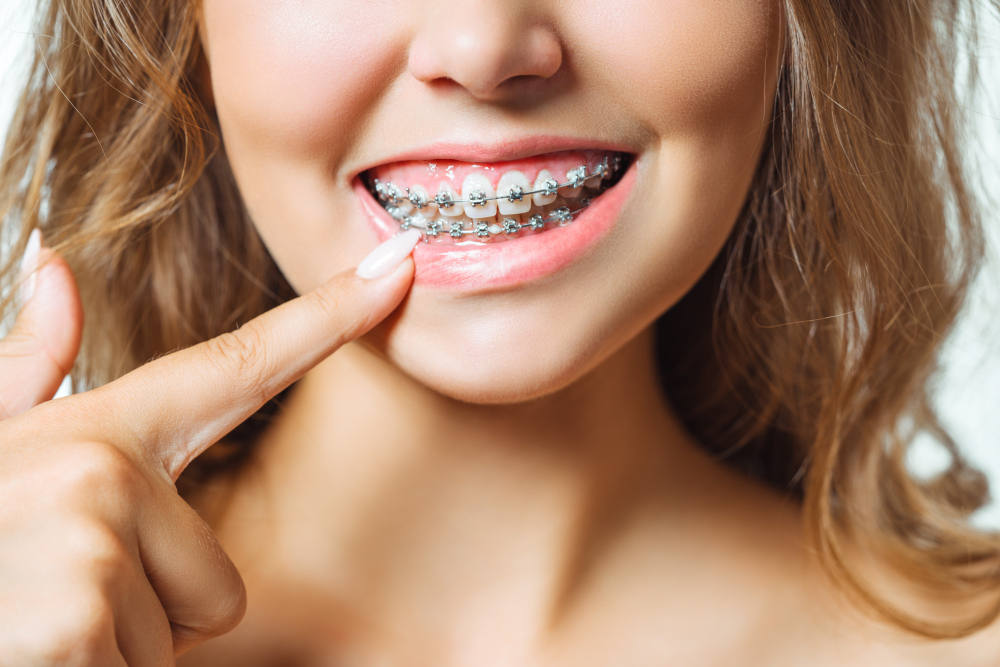
Orthodontic Exams in Thousand Oaks, CA — Keep Your Smile Aligned
Regular orthodontic exams are an important part of maintaining a healthy, properly aligned bite — whether you are currently in treatment, finished with braces, or simply wondering if orthodontics might benefit you or your child. At Nima Aleagha DDS, we offer comprehensive orthodontic evaluations for patients of all ages. Early assessment allows us to monitor jaw development, identify alignment concerns, and plan treatment at the optimal time. Call (805) 494-1831 to schedule an evaluation today.
Request an AppointmentWhat Is an Orthodontic Exam?
An orthodontic exam is a focused evaluation of how your teeth, bite, and jaws align — and whether any correction is needed or recommended. It is distinct from a routine dental checkup in that it specifically assesses the relationship between the upper and lower teeth, the position of the jaw joints, and the overall alignment of the dental arches.
At Nima Aleagha DDS, orthodontic exams involve:
- A visual assessment of bite, jaw alignment, and how teeth fit together
- Digital X-rays to evaluate bone structure and root positions
- Photographs of the teeth and face for treatment planning reference
- Discussion of your concerns, goals, and any symptoms such as jaw discomfort or difficulty chewing
- A recommendation for treatment if indicated — or monitoring if early intervention is not yet necessary
The exam is completely painless and typically takes 30 to 45 minutes.
Who Should Get an Orthodontic Exam?
Orthodontic evaluation is beneficial at several stages of life:
Children (age 7): The American Association of Orthodontists recommends a first orthodontic evaluation by age seven, when enough permanent teeth have erupted to assess jaw development and tooth positioning. Early evaluation does not always mean early treatment — but it allows us to identify concerns and time intervention strategically for the best long-term outcome.
Teenagers: Adolescence is the most common time for orthodontic treatment. Exams during this period help determine when the ideal window for braces or aligners has arrived.
Adults: Many adults choose orthodontic treatment for the first time, or return for retreatment after relapse from not wearing retainers. It is never too late for orthodontic evaluation. Adult patients may also have considerations around TMJ health, gum recession, or existing implants that factor into treatment planning.
What Orthodontic Issues Can Be Identified?
Common conditions identified during orthodontic exams at Nima Aleagha DDS include:
- Overcrowding or insufficient space for permanent teeth to erupt properly
- Overbite, underbite, crossbite, or open bite
- Spacing issues and gaps between teeth
- Protruding teeth
- Jaw asymmetry or skeletal discrepancies
- Signs of teeth grinding that may be related to bite misalignment
Orthodontic Exams During Active Treatment
For patients currently undergoing orthodontic treatment, regular exams every four to eight weeks are essential for monitoring tooth movement, making appliance adjustments, and ensuring treatment stays on the planned trajectory. Our dentist tracks progress at each visit against the original treatment plan and communicates any adjustments in a timely, clear manner. Learn more about what to expect at each stage on our orthodontic treatment phases page.
Frequently Asked Questions About Orthodontic Exams
How often should I get an orthodontic exam?
For children, an initial evaluation is recommended around age seven. After that, most dental providers include a bite and alignment assessment at every routine checkup. Patients currently in orthodontic treatment are seen every four to eight weeks for active monitoring and adjustments.
At what age should my child have their first orthodontic evaluation?
The American Association of Orthodontists recommends the first orthodontic exam around age seven. By this age, a mix of baby and permanent teeth is present that allows us to identify potential concerns with jaw growth and tooth positioning early enough to address them strategically.
Are orthodontic exams painful?
No. Orthodontic exams are entirely non-invasive and painless. They involve visual assessment, photographs, and digital X-rays. No instruments or pressure are applied to the teeth during the evaluation itself.
What if the exam shows my child needs braces but their baby teeth haven’t all fallen out?
This is common. In some cases, early interceptive treatment using a space maintainer or expander is recommended to guide jaw development before full braces are placed. In others, we simply monitor and wait until the right stage of dental development for the most effective treatment. We will outline a clear plan at the time of evaluation.
Can adults benefit from an orthodontic exam?
Absolutely. Many adults seek orthodontic treatment for the first time or need re-evaluation after years of not wearing retainers. Adults with crowding, bite issues, or relapse from previous treatment are excellent candidates for modern orthodontic options. We also take into account adult-specific considerations like gum health, bone density, and existing restorations.
Does an orthodontic exam mean I will definitely need braces?
Not necessarily. Some patients have naturally well-aligned teeth that simply need monitoring. Others may have minor issues that do not warrant active treatment. The exam gives us objective information to make the right recommendation — whether that is treatment, watchful waiting, or no action at all.
How do I prepare for my child’s orthodontic exam?
No special preparation is needed. Bring any relevant dental records or X-rays from previous dental visits if available. Your child should brush and floss before the appointment. Arrive a few minutes early to complete any new patient paperwork and to allow your child to feel comfortable in the office environment.