Root Canal Therapy in Thousand Oaks, CA — Save Your Natural Tooth
Root canal therapy has a reputation that far exceeds the reality of modern treatment. At Nima Aleagha DDS, we provide gentle, effective root canal therapy to eliminate infection, relieve tooth pain, and save your natural tooth from extraction. With local anesthesia and optional nitrous oxide sedation, most patients are surprised by how comfortable the experience is. If you are experiencing tooth pain or sensitivity, do not wait — call (805) 494-1831 right away.
Request an AppointmentWhat Is Root Canal Therapy?
Root canal therapy — also called endodontic treatment — is a procedure designed to remove infected or inflamed pulp tissue from inside a tooth, clean and disinfect the root canal system, and seal the tooth to prevent reinfection. Despite its reputation, the procedure is no more uncomfortable than getting a standard filling, and it provides immediate relief from the significant pain caused by an infected tooth.
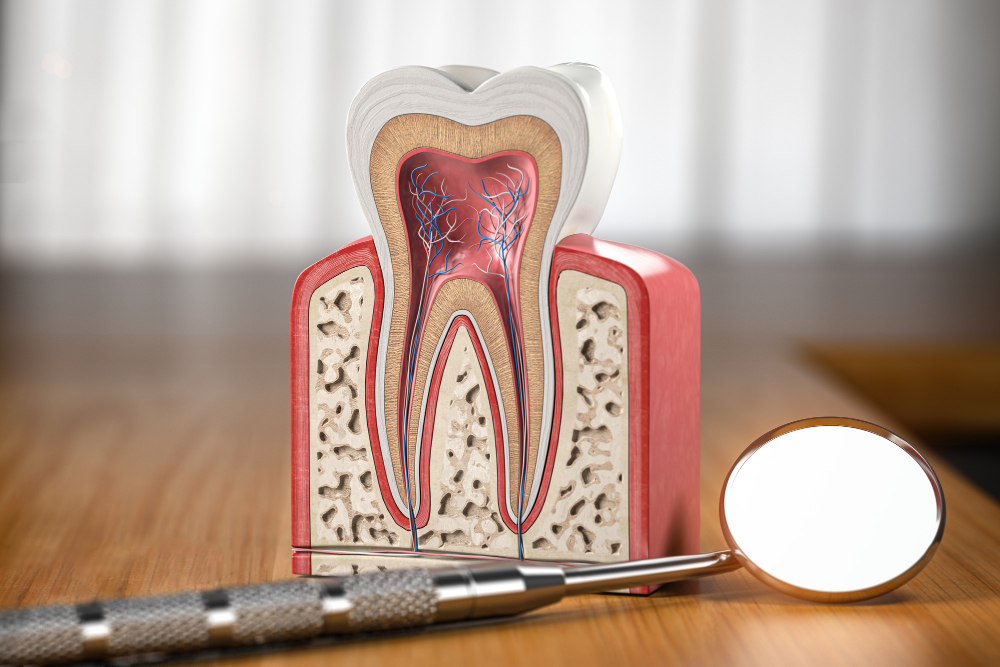
Inside every tooth, beneath the hard enamel and dentin, lies a soft chamber called the pulp. The pulp contains blood vessels, lymph tissue, and nerves that run down through the length of each root. When bacteria penetrate the tooth through a deep cavity, a crack, or trauma, the pulp becomes infected. This infection causes pain, swelling, and — if left untreated — can spread to the surrounding bone and tissue or result in tooth loss.
Signs You May Need Root Canal Treatment
Do not ignore these warning signs — prompt treatment can mean the difference between saving and losing a tooth:
- Persistent or severe tooth pain, especially when biting or applying pressure
- Prolonged sensitivity to hot or cold that lingers after the source is removed
- Darkening or discoloration of the tooth
- Swelling, tenderness, or a pimple-like bump on the gums near the affected tooth
- A persistent bad taste or odor near the tooth
- Pain that radiates to the jaw, ear, or temple
What to Expect During Root Canal Therapy at Nima Aleagha DDS
Our team at Nima Aleagha DDS is committed to making your root canal experience as smooth and comfortable as possible. Here is what the process involves:
- Anesthesia: The area is thoroughly numbed with local anesthesia. Nitrous oxide sedation is available for patients who want additional relaxation.
- Access and pulp removal: A small opening is made in the crown of the tooth to access the pulp chamber. The infected or inflamed pulp tissue is carefully removed.
- Cleaning and shaping: The root canals are cleaned, shaped, and flushed with an antimicrobial solution to eliminate bacteria and debris.
- Filling the canal: The cleaned and dried canal is filled with a biocompatible material called gutta-percha and sealed to prevent reinfection.
- Temporary crown: A temporary covering is placed to protect the tooth while your custom porcelain crown is being fabricated at the dental lab — typically 10 to 14 days.
- Crown placement: The permanent crown is placed at your follow-up appointment, restoring the full strength and appearance of the treated tooth.
Why It Is Important to Act Quickly
Tooth infections do not resolve on their own — they worsen over time and can spread to the jaw, neck, or other areas of the body in severe cases. Early treatment is always simpler, less expensive, and more likely to result in a successful outcome. If we are unable to save the tooth with root canal therapy, extraction followed by a dental implant or bridge will be discussed as alternatives.
At Nima Aleagha DDS, we offer emergency appointments for patients in acute dental pain. Do not wait — call (805) 494-1831 and we will get you in as soon as possible.
Recovery After Root Canal Therapy
Most patients return to normal activities within one to two days. Mild soreness and sensitivity around the treated tooth are normal for a few days following the procedure and respond well to over-the-counter pain relievers. Avoid chewing on the treated side until the permanent crown is placed to prevent fracture of the temporarily protected tooth.
Frequently Asked Questions About Root Canal Therapy
Is root canal therapy painful?
Modern root canal therapy is performed under local anesthesia and is no more uncomfortable than getting a filling. The procedure actually relieves the significant pain caused by the infection. Most patients are surprised by how manageable the experience is. We also offer nitrous oxide sedation for patients who want extra comfort.
How many appointments does root canal therapy require?
Most root canals are completed in one to two appointments. A single appointment is sufficient for straightforward cases. More complex situations — such as severely curved canals or significant infection — may require a second visit. A follow-up appointment is then needed to place the permanent crown, which takes one to two weeks to be fabricated.
What happens if I do not get a root canal?
Left untreated, a tooth infection will worsen. The infection can spread to surrounding bone and soft tissue, potentially causing a dental abscess. In serious cases it can spread to other areas of the body. The tooth will ultimately be lost, requiring more involved and costly replacement options. Early treatment is always the better path.
How long does recovery take after a root canal?
Most patients feel significantly better within 24 to 48 hours of the procedure, as the source of infection has been eliminated. Mild soreness around the treated tooth is normal for a few days and responds well to over-the-counter medication. Most patients return to normal activities the day after treatment.
Do I always need a crown after a root canal?
In most cases, yes — particularly for back teeth that endure heavy chewing forces. Root canal therapy removes the pulp, leaving the tooth more brittle and susceptible to fracture. A crown placed over the treated tooth restores its strength and seals it against reinfection. Front teeth may sometimes be restored with a large filling, but a crown is still often recommended.
How do I avoid needing root canal therapy?
Consistent oral hygiene — brushing twice daily, flossing daily, and scheduling regular professional cleanings — is the best defense against the deep decay that leads to pulp infection. Wearing a sports guard during athletics protects against traumatic cracks. Regular dental visits allow us to catch small cavities before they progress to the point where a root canal is necessary.
Can a tooth that had a root canal become infected again?
It is possible but uncommon. Reinfection can occur if the root canal seal is compromised or if a new source of bacteria reaches the treated tooth. This is why the crown placed over the tooth is so important, and why regular dental checkups to monitor the treated tooth are essential. If reinfection does occur, the tooth can often be retreated.